
From Training Room to Field Reality : How Bala Vikasa PDTC Shaped My Development Journey

My journey in the development sector has been deeply influenced by Bala Vikasa People Development and Training Centre (BV-PDTC), India. I had the privilege of visiting BV-PDTC twice, in 2017 and 2023, and these experiences became important turning points in my personal and professional growth.
At BV-PDTC, I was introduced to Results-Based Management (RBM) and the core philosophy of community-driven development practiced by Bala Vikasa. In the training room, I learned how development interventions should be planned with clear results, accountability, and strong community ownership. These were not just theoretical lessons; they were grounded in real-life examples drawn from BV’s long-standing work in the field.
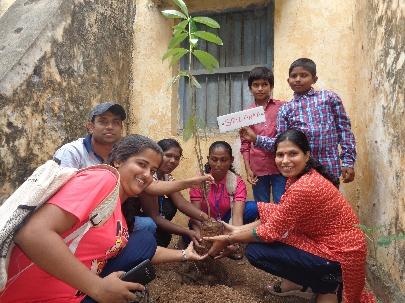
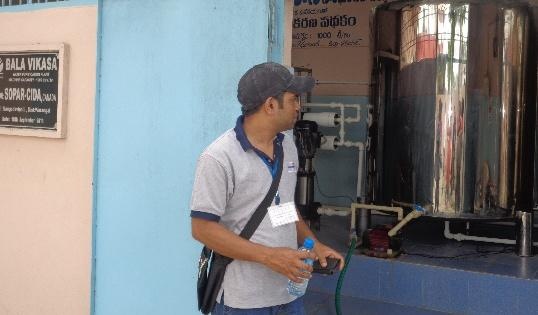
Through exposure visits and learning sessions, I was able to understand how development activities function in practice across multiple sectors—rural development, water and sanitation, biodynamic farming, widows’ development programs, and social entrepreneurship. Seeing these initiatives in action helped me clearly connect concepts to reality. I realized that sustainable development is possible only when communities are empowered to lead their own change.
One of the most valuable aspects of BV-PDTC was the learning environment itself. It provided a unique opportunity to build relationships with development practitioners from different countries, cultures, and professional backgrounds. These interactions broadened my perspective, challenged my assumptions, and helped me see development as a global, collective effort rather than isolated local work.
In truth, Bala Vikasa changed me—transformed me, developed me. The knowledge, skills, and values I gained through BV PDTC significantly strengthened my career in the development sector. I was able to apply RBM principles, participatory approaches, and community engagement techniques directly in my field work in Sri Lanka, improving both the quality and impact of my interventions.
This relationship went beyond training. During difficult moments especially during Sri Lanka’s economic crisis in 2022 and when the “Ditwah” cyclone affected communities in November December 2025—the BV family reached out to me. Their encouragement, concern, and solidarity reminded me that development work is also about human connection and shared responsibility.
Today, when I reflect on my journey from the training room to field reality, I clearly see how BV-PDTC shaped my thinking, practice, and values as a development practitioner. I am deeply grateful to Bala Vikasa—not only for the knowledge shared, but for making me feel part of a global family committed to justice, dignity, and sustainable development.

Thank you, Bala Vikasa, for everything.